Entry · Ref QBQQ4MAN
When to Seek Professional Radon Mitigation York PA Homeowners Need
- Posted
- 2026-10-19
- Last amended
- 2026-10-19
- Account
- @yorkradonmitigationradonspot
Radon is a silent issue that many homeowners in York County don't think about until a real estate transaction forces a test. I have seen houses where the levels were so high that the family had been breathing unsafe air for years without knowing it. The gas is odorless, colorless, and comes from the natural breakdown of uranium in the soil. It seeps through cracks in foundations, gaps around pipes, and even through sump pumps. If you own a home in this area, understanding when to call for professional radon mitigation York PA is not just about compliance with a home sale. It is about long term health.
There is a common misunderstanding that radon is only a problem in basements. That is not true. The gas moves through the house with air pressure changes. Second floor bedrooms can have just as high levels as a finished basement. I once worked with a family in Springettsbury Township who had a reading of 12 picocuries per liter in their main floor living room. The EPA action level is 4. The fix was not complicated, but it required someone who understood soil dynamics and HVAC interaction. That is where York Radon Mitigation radon mitigation york pa comes into the picture. They focus on the specific geology of this region, which includes limestone and shale that can produce higher radon output.
How Radon Gets Into Your Home
Radon enters because the air pressure inside your house is usually lower than the pressure in the soil around the foundation. That difference acts like a vacuum, pulling the gas through any opening. Common entry points include floor drains, cracks in concrete slabs, gaps around utility penetrations, and even the hollow spaces inside block walls. During winter, when houses are sealed tight and the stack effect pulls air upward, radon levels can spike dramatically. I have tested homes in winter where the level was three times higher than a summer reading. That is why a single test is not enough to know your true exposure.
The soil in York County has a mix of rock types that contribute to higher radon potential. The U.S. Geological Survey maps show that much of the county is in Zone 1, which means predicted average indoor levels above 4 picocuries per liter. That does not mean every house has a problem, but it means the probability is high enough that every homeowner should test. I recommend a long term test of at least 90 days for the most accurate picture. Short term tests are fine for a quick check during a real estate transaction, but they can miss seasonal swings.
Testing Is the First Step
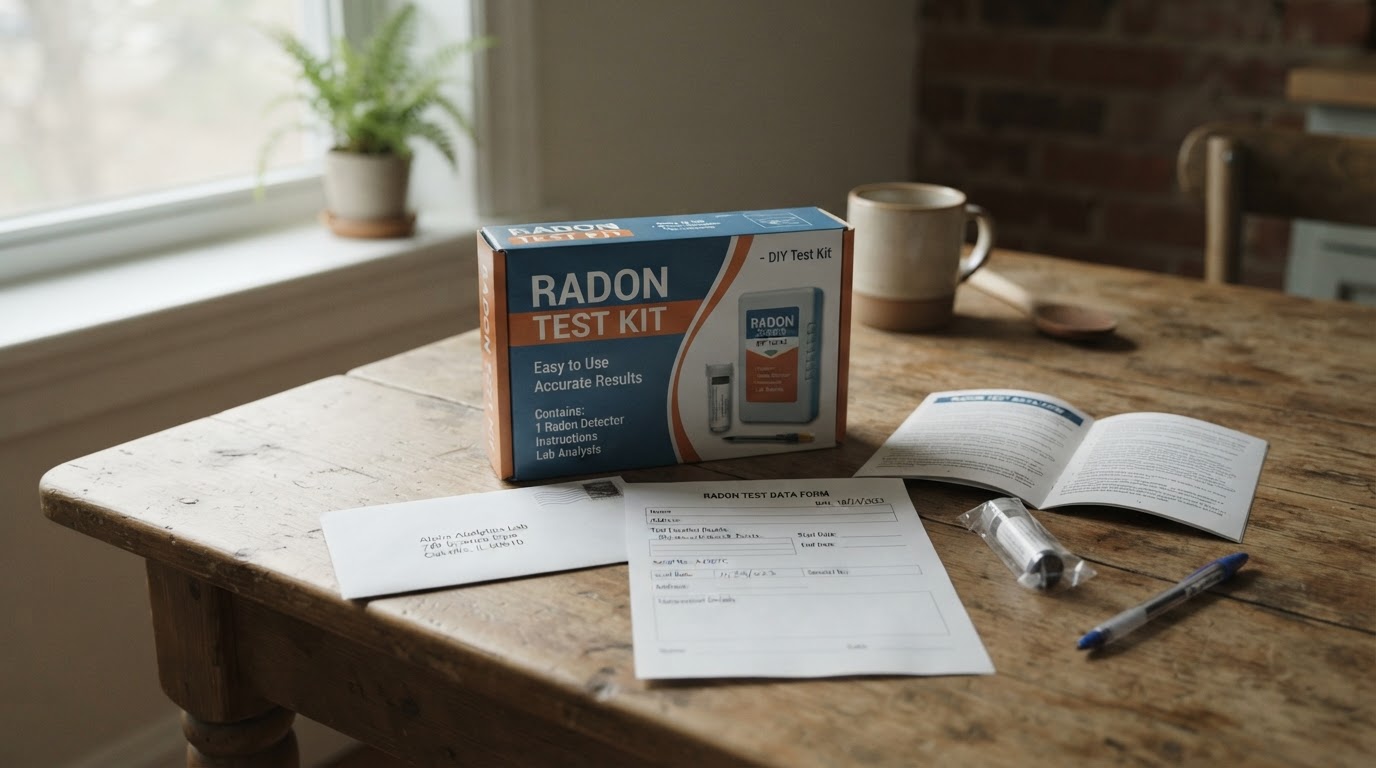
Before you spend any money on mitigation, you need to know what you are dealing with. You can buy a do-it-yourself test kit at most hardware stores for around $15 to $30. They are easy to use. You open the packet, expose the charcoal canister for the specified time, seal it, and mail it to a lab. Results come back in a few weeks. The key is to follow the instructions exactly. Do not open windows during the test period, and place the kit in the lowest lived in level of the house. If the result comes back above 4 picocuries per liter, the EPA recommends fixing it. If it is between 2 and 4, you might still want to consider mitigation, especially if you have children or spend a lot of time in the basement.
One thing I tell homeowners is that testing multiple locations can reveal surprising patterns. I have seen a finished basement rec room with a level of 6, while the unfinished storage area right next to it was at 14. The difference was a small gap around a drain pipe that was hidden behind drywall. A good contractor will not just install a fan and call it done. They will look for the specific entry points and seal them properly. That is the difference between a system that works and one that just moves the problem around.
What Professional Mitigation Looks Like
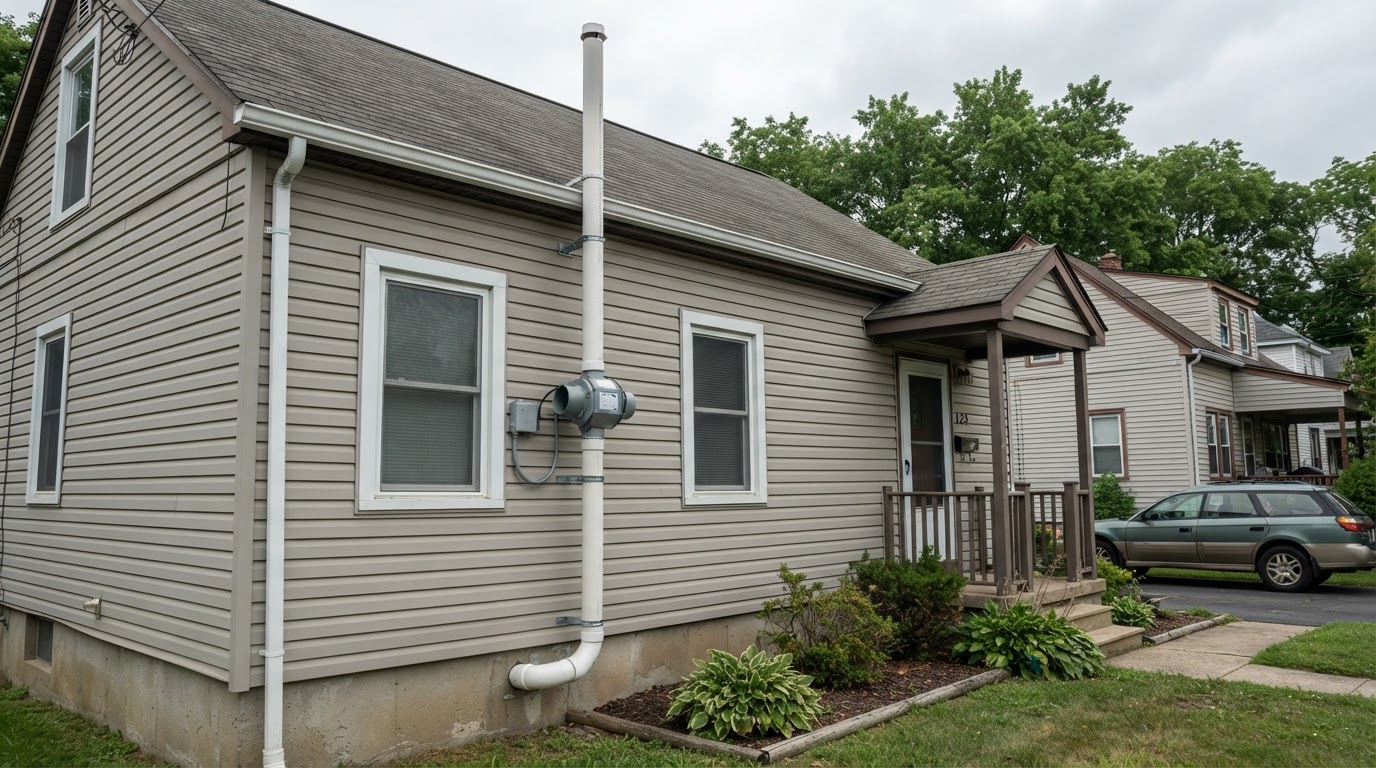
The most common method for reducing radon levels is sub slab depressurization. A contractor drills a small hole in the basement floor, digs out a pit underneath, and runs a pipe from that pit up through the house to the roof, with a fan that continuously pulls air from below the slab and vents it outside. This creates a negative pressure zone under the house that prevents radon from being drawn inside. The system is quiet, runs 24/7, and uses very little electricity. It is also the most effective method for most homes in York County.
There are other approaches. For homes with crawlspaces, a membrane may be laid over the dirt and sealed to the walls, with a vent pipe running through the crawlspace to the outside. For homes with block walls, the hollow cores can be depressurized directly. The choice depends on the construction of the house and the severity of the problem. A good contractor will explain the options and show you the expected cost and effectiveness of each. They should also perform a post mitigation test to confirm that levels have dropped below the EPA action level. That follow up test is critical. I have seen systems that were installed incorrectly and actually made the problem worse by drawing radon from one part of the house to another.
Costs and Contractor Selection
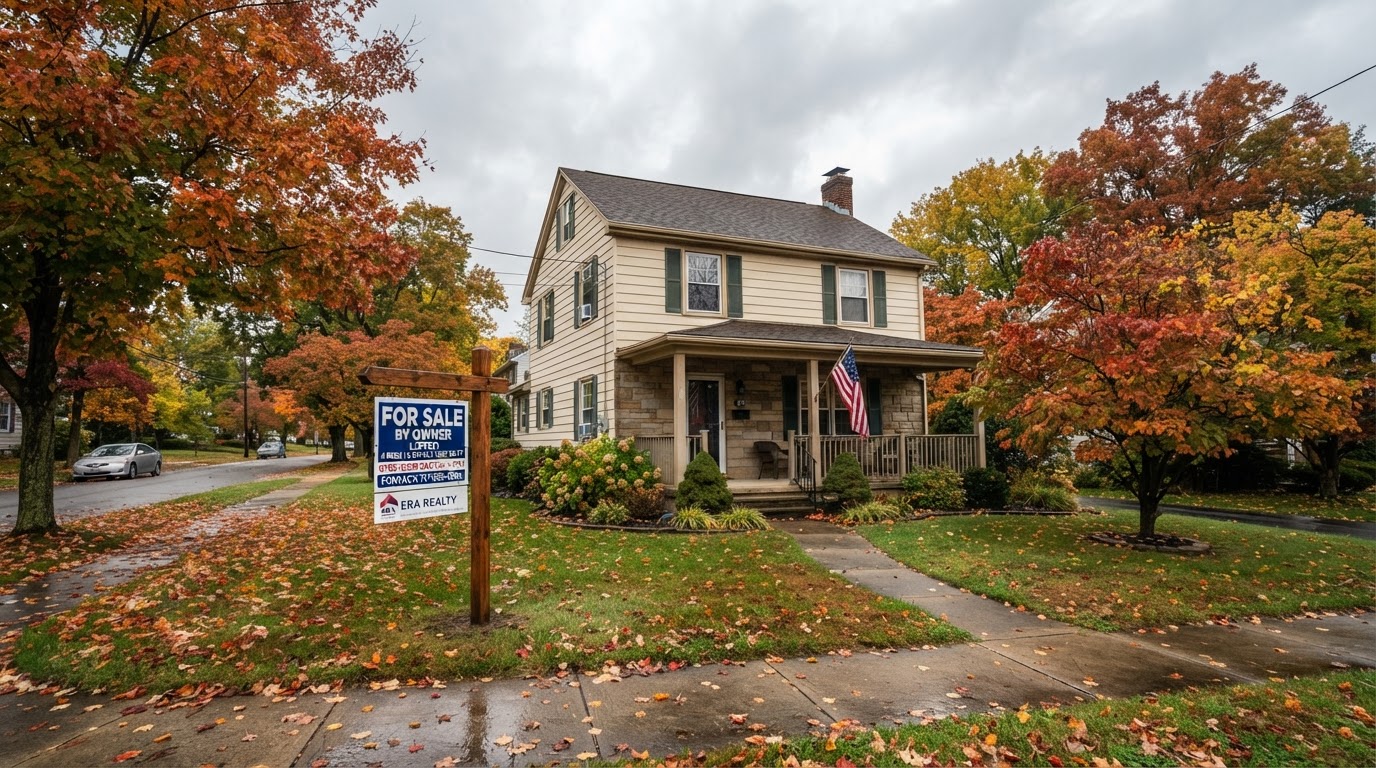
The cost of a radon mitigation system in this area typically ranges from $800 to $2,500. The variation depends on the complexity of the installation, the type of foundation, and whether any sealing work is needed. Some companies offer financing or payment plans. I always advise getting at least two quotes before hiring anyone. Ask for proof of certification. In Pennsylvania, there is no state licensing requirement for radon mitigators, but national certifications from the National Radon Proficiency Program (NRPP) or the National Radon Safety Board (NRSB) show that the contractor has passed a rigorous exam and follows industry standards. A certified contractor will also carry liability insurance and workers compensation. Do not hire someone who cannot show you those credentials.
One of the most important things you can do is ask for references from other homeowners in York County. A contractor who knows the local soil types and building styles will do a better job than someone from across the state. The team at York Radon Mitigation radon mitigation york pa has the local knowledge that comes from years of working on houses in this specific region. They understand the limestone geology and the typical construction methods used in homes built here. That local expertise makes a difference in both the design of the system and the long term reliability.
Maintenance and Monitoring After Installation
Once a mitigation system is installed, it is not a set it and forget it situation. The fan inside the system has a lifespan of about five to ten years. You should check the manometer, which is a U shaped tube filled with colored fluid that shows whether the fan is running and pulling the correct pressure. If the fluid levels are even, the fan has stopped working. That can happen after a power outage or if the fan motor simply wears out. I recommend checking the manometer at least once a month. Some newer systems have digital alarms that alert you if the fan fails. It is a small investment for peace of mind.
You should also retest your home every two years or after any major renovation that changes the foundation or the HVAC system. Adding a new furnace or replacing windows can alter the air pressure dynamics and affect radon levels. I have seen homes that passed a post mitigation test but had elevated levels again five years later because of changes in the soil settling or a new crack in the slab. Regular testing is cheap insurance.
Is It Worth the Effort
Radon exposure is the second leading cause of lung cancer after smoking. The EPA estimates that radon causes about 21,000 lung cancer deaths per year in the United States. That number is not theoretical. It affects real families in York County every year. The cost of mitigation is small compared to the health risk. I have always believed that radon mitigation is one of the most cost effective home improvements you can make. It does not add curb appeal like a new kitchen, but it protects the people who live inside. That is worth more than any granite countertop.
If you have not tested your home yet, make that your next weekend project. If your levels are high, call a certified contractor who specializes in this area. The combination of local knowledge, proper equipment, and a commitment to post mitigation testing is what makes the difference between a system that works and one that just makes noise. For homeowners in this region, that local expertise is exactly what York Radon Mitigation radon mitigation york pa provides. Take the step. Your lungs will thank you.